Instrument & Small-Diameter Tube Bending
Precision bending of 1/16” to 3/8” OD stainless steel tubing for OEM instrumentation, fluid dispensing systems, gas calibration equipment, and laboratory assemblies. Tight envelopes. Exact routings. Prototypes to production.
Request a Quote Call 952-881-5184Small-Diameter Tube Bending for Precision Equipment
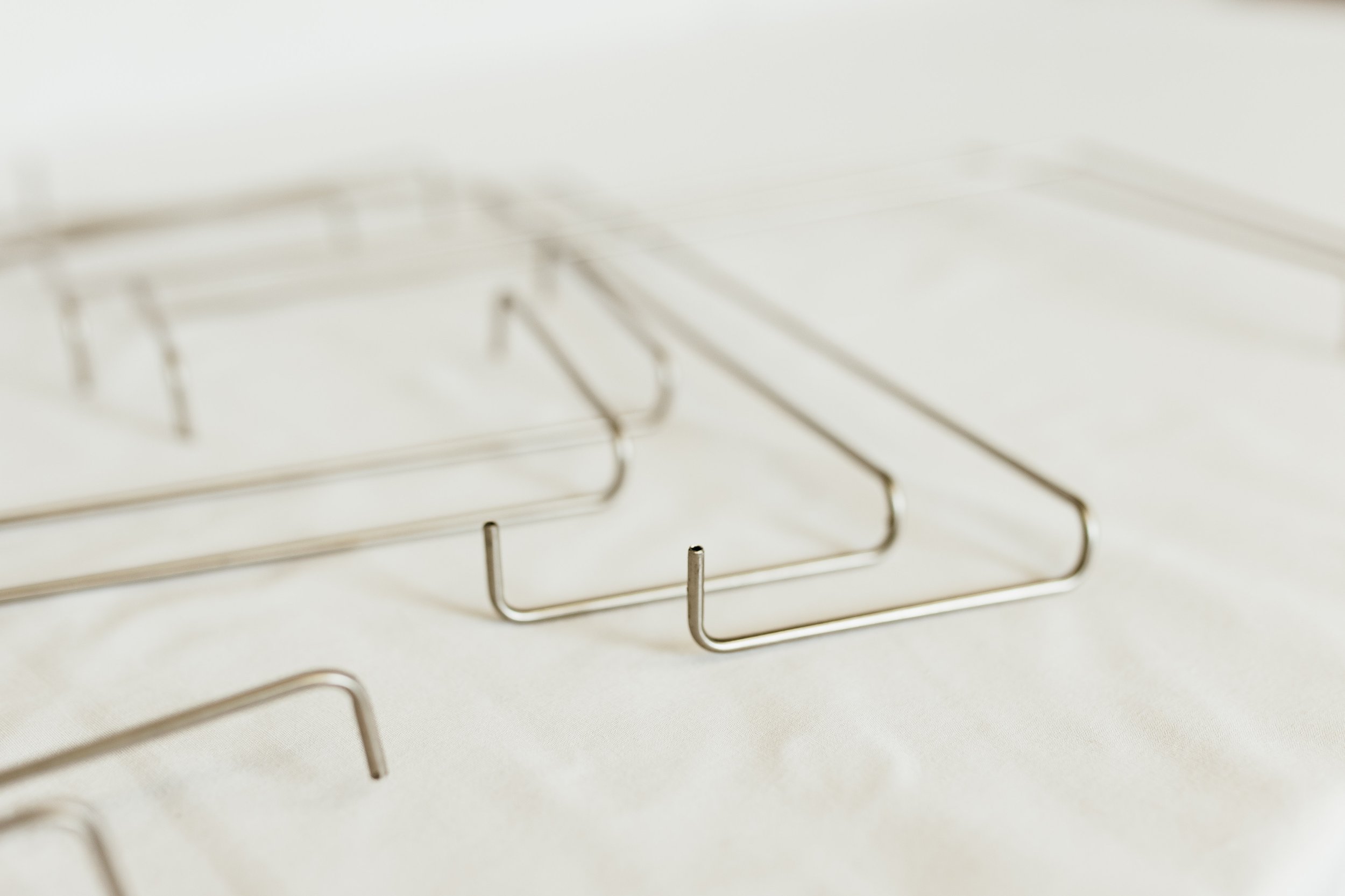
When your equipment moves fluids or gases through tight enclosures, every bend matters. Instrument tube bending takes small-diameter stainless steel tubing — typically 1/16” to 3/8” OD — and forms it into exact routings that fit inside compact OEM chassis, test fixtures, and instrument housings where space is measured in millimeters.
This is not standard tube bending. Small-diameter work demands specialized tooling, mandrel support to prevent kinking, and precise springback compensation at bend radii as tight as 1x tube diameter. The tubing must maintain full flow capacity, wall integrity, and surface cleanliness through every bend — because in fluid testing, gas analysis, and calibration applications, even minor flow restrictions or contamination affect measurement accuracy.
Our Small-Diameter Bending Capabilities
Ross Bending Dynamics specializes in the small-diameter tube work that high-volume shops avoid — the complex multi-bend routings, exotic materials, and low-to-mid volume production runs that OEM instrument builders need to keep their lines moving.
Tight-Radius Multi-Bend Routings
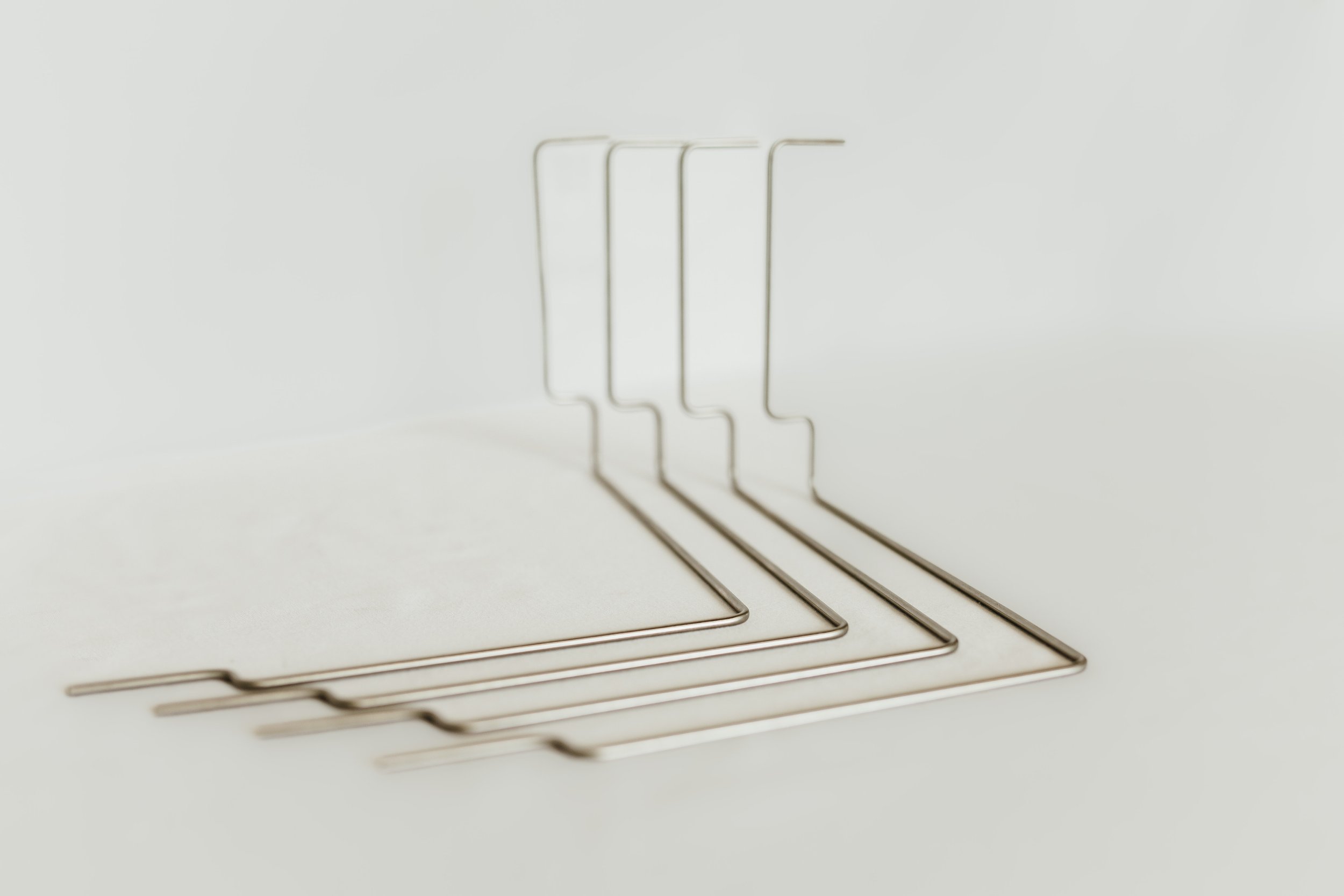
Complex 3D tube routings with 5, 10, or 20+ bends per part. We hold bend-to-bend tolerances tight enough to drop into your OEM chassis on first fit — no rework, no shimming.
1/16” to 3/8” OD Range
Purpose-built tooling for the small diameters that larger shops struggle with. Mandrel bending prevents kinking and ovality, maintaining full bore flow capacity through every bend.
OEM Production Consistency
When you need 50, 500, or 5,000 identical tube assemblies per year, we deliver part-to-part repeatability that keeps your assembly line running. Fixed tooling, documented processes, consistent results.
Exotic Alloy Expertise
Beyond 304 and 316 stainless, we bend small-diameter tubing in titanium, Inconel, Hastelloy, and other alloys for corrosive media, high-temperature, or ultra-clean applications.
Complete Fabrication
Bending is just the start. We add fittings, flare and swage ends, TIG weld joints, braze connections, and assemble complete tube sub-assemblies ready to install in your equipment.
Quality & Traceability
Full material certifications, first-article inspection reports, and process documentation. Critical for OEM equipment that ships into regulated environments like labs, medical devices, and semiconductor fabs.

Materials We Bend
We stock and process a range of small-diameter tubing materials for instrument and OEM applications. If your project calls for something not listed here, call us — chances are we have bent it before.
304 & 316 Stainless Steel
316L (Low Carbon SS)
Titanium (Grade 2, Grade 5)
Inconel 625 & 718
Hastelloy C-276
Monel 400
Copper & Copper-Nickel
Duplex & Super Duplex SS
Aluminum (6061, 5052)
Carbon Steel
Applications & Industries
Our small-diameter tube assemblies are found inside precision equipment across a wide range of demanding industries:
Fluid Dispensing & Metering
Two-component dispensing systems, proportioning equipment, precision fluid delivery assemblies
Gas Analysis & Calibration
Gas chromatography sample lines, calibration gas delivery, emissions monitoring equipment
Laboratory & Test Equipment
Analytical instruments, test fixtures, sample handling systems, flow bench assemblies
Medical Devices & Life Sciences
Sterilization equipment, diagnostic instruments, surgical device tubing, cleanroom-compatible assemblies
Semiconductor & Electronics
Ultra-clean process gas lines, chemical delivery tubing, thermal management within fab equipment
Hydraulic & Pneumatic Systems
High-pressure small-bore tubing for hydraulic controls, pneumatic actuators, and valve manifolds
Aerospace & Defense
Fuel lines, bleed air tubing, environmental control system plumbing in tight airframe envelopes
OEM Equipment Builders
Recurring production runs of tube assemblies designed to drop into your chassis or enclosure on first fit
How It Works
1
Send Your Specs
Upload a drawing, CAD file, or describe your tube routing requirements via our quote form or email.
2
Engineering Review
Our team reviews for manufacturability — bend radii, clearances, fitting compatibility — and may suggest optimizations.
3
Quote & Approval
Receive a detailed quote with pricing, lead time, and material options. Typically within 24–48 hours.
4
Fabrication & Delivery
We bend, fit, weld, inspect, and ship. First-article reports available. Prototypes in days, production on your schedule.
Why OEM Builders Choose Ross Bending Dynamics
Most tube bending shops focus on large-diameter work and treat small-bore tubing as an afterthought. We treat it as a specialty. Ross Bending Dynamics was built for the projects that other shops turn away — and small-diameter instrument tubing in tight envelopes is exactly that.
Speed
Quick-turn prototypes in days, not weeks. When your product launch depends on getting tube assemblies dialed in, we do not let tube bending become your bottleneck.
High-Mix Capability
Five different tube routings this month, three new part numbers next month, a prototype revision next week. Our shop is built for the part-number variety that OEM instrument builders generate.
Engineering Mindset
We do not just follow your print — we think about it. If a routing change saves clearance, a different bend sequence reduces springback error, or a fitting substitution cuts assembly time, we will tell you before we start bending.
Frequently Asked Questions
What is the smallest tube diameter you can bend?
We routinely bend tubing as small as 1/16” (0.0625”) outside diameter. The minimum achievable bend radius depends on the material, wall thickness, and whether mandrel support is required. Contact us with your specific tube size and we will confirm feasibility.
Can you maintain full bore flow through tight bends in small tubing?
Yes. We use mandrel bending techniques on small-diameter tubing to prevent kinking, ovality, and wall collapse. This maintains the tube’s internal cross-section and ensures unrestricted flow — critical for fluid metering, gas sampling, and instrumentation applications where flow consistency affects measurement accuracy.
What materials do you bend in small diameters?
Our most common small-diameter material is 304 and 316/316L stainless steel. We also bend copper, titanium, Inconel, Hastelloy, and other alloys in small diameters. Material selection depends on your application — corrosive media, high temperature, ultra-clean requirements, or pressure rating all factor in.
Can you add fittings, flares, or end-forms to the tubing?
Yes. We provide complete tube sub-assemblies with flared ends, swaged fittings, compression fittings, TIG-welded joints, and brazed connections. Your assemblies arrive ready to install in your equipment — not as loose tubes that need secondary processing on your assembly line.
What production volumes do you handle?
We handle everything from single prototypes to recurring production runs of several thousand pieces per year. There are no minimum order quantities. Many of our OEM customers start with a prototype run of 5–10 pieces, then move into recurring blanket orders once the design is locked.
Where is Ross Bending Dynamics located?
We are located in Bloomington, Minnesota, and serve OEM customers nationwide. For small-diameter instrument tubing, we work with equipment builders across all 50 states. Regional customers in the Twin Cities, greater Minnesota, Wisconsin, Iowa, and the upper Midwest benefit from shorter shipping times and the option for local pickup.
